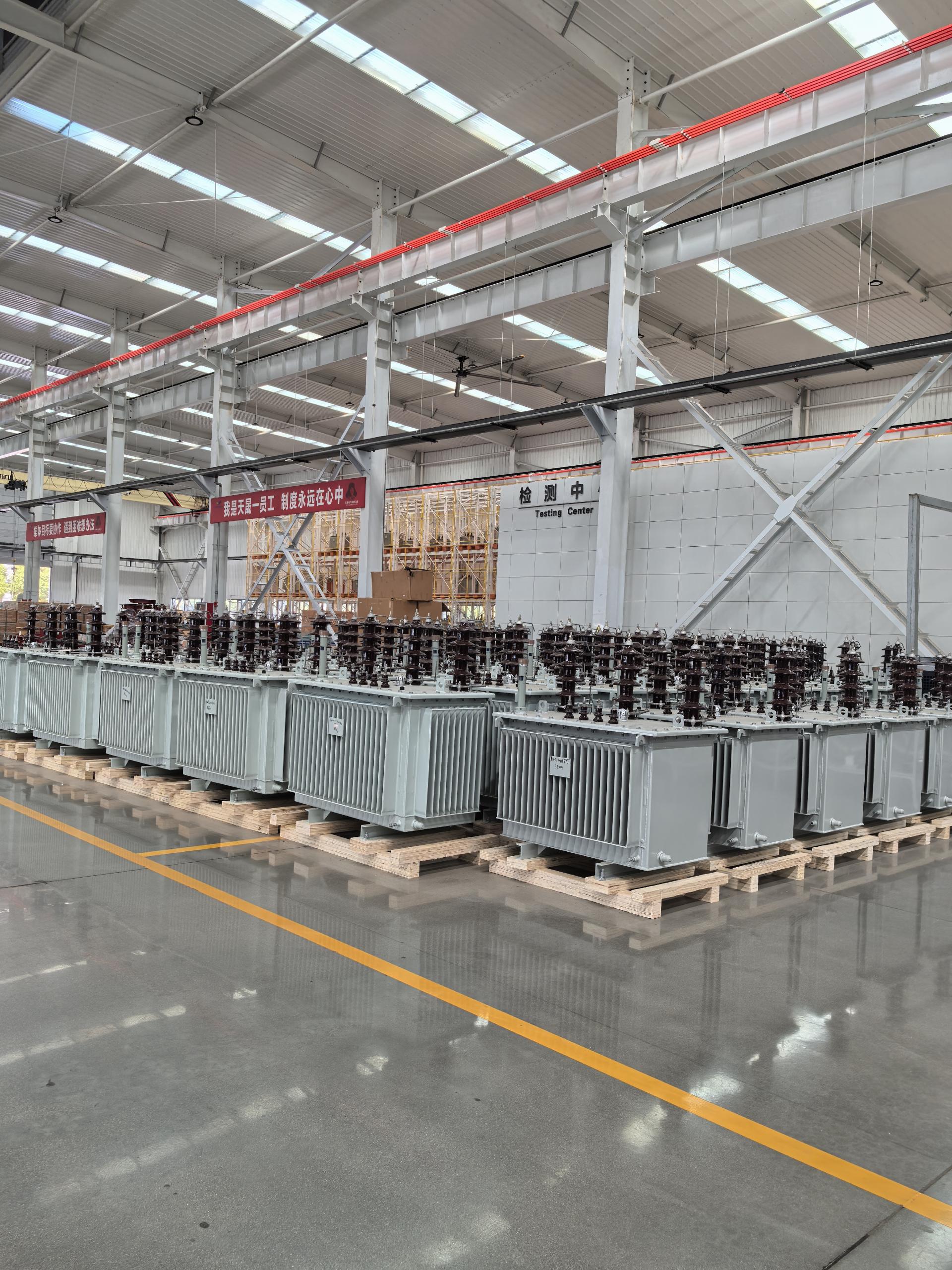
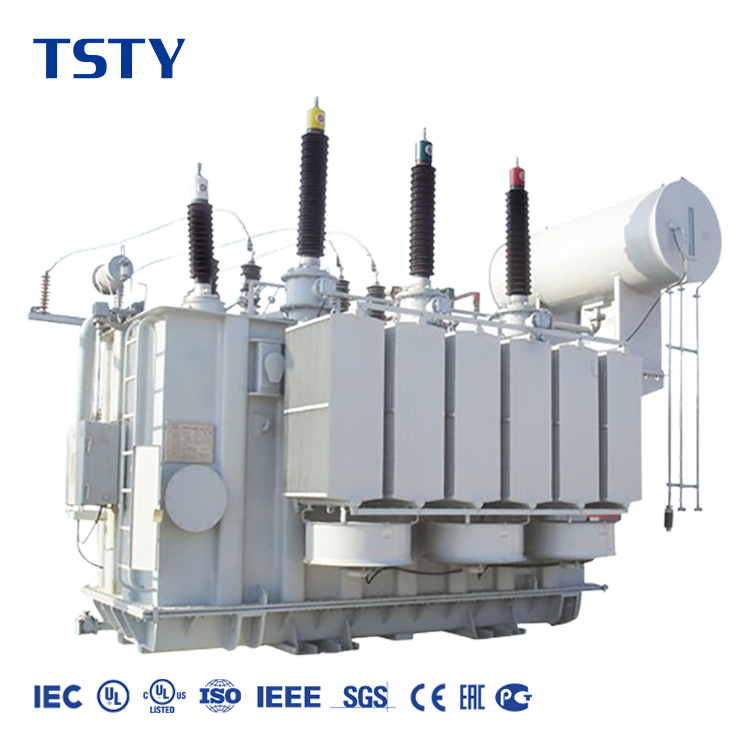
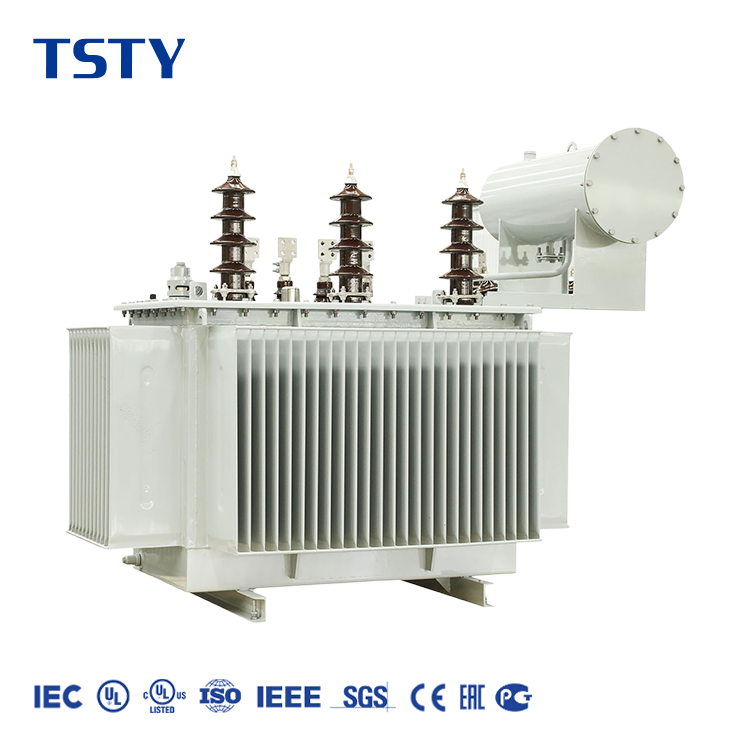
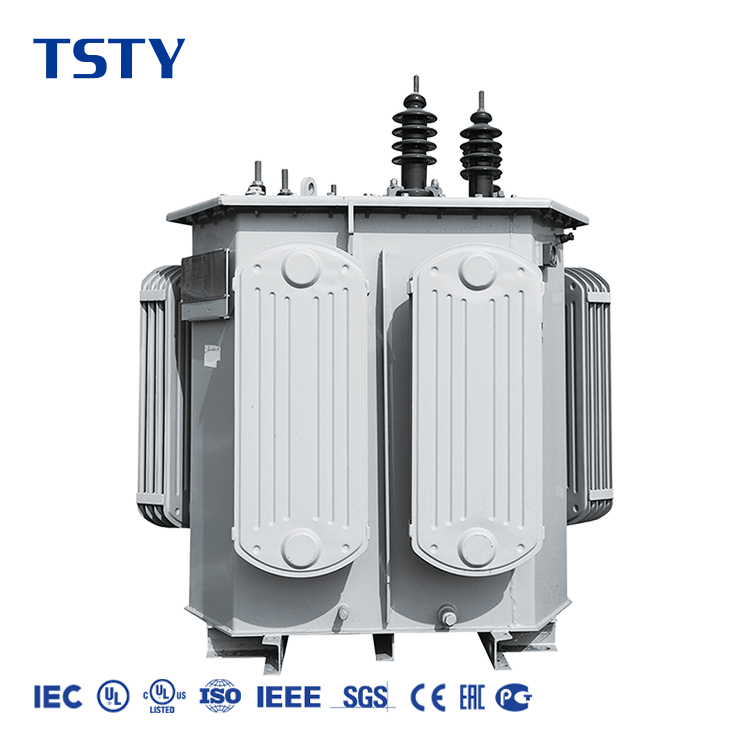
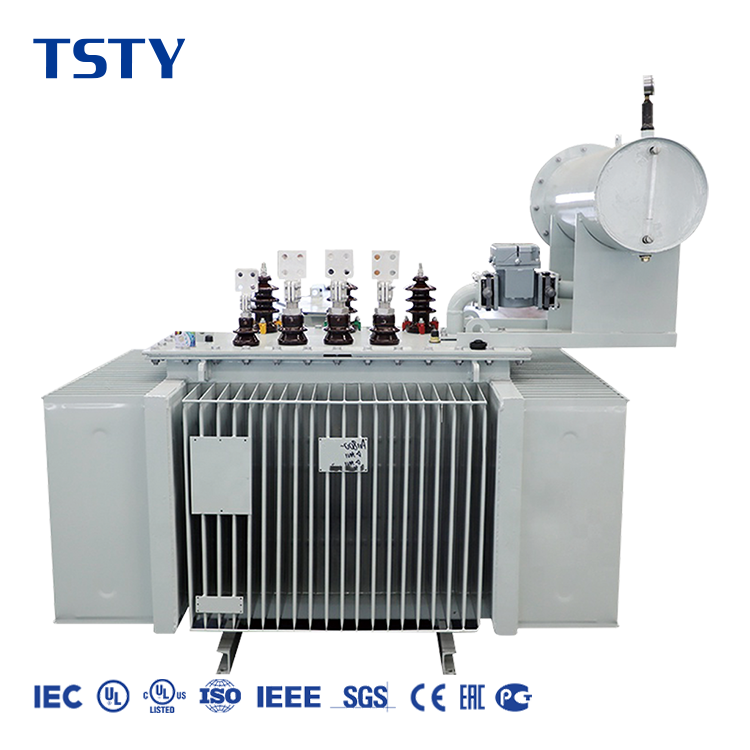
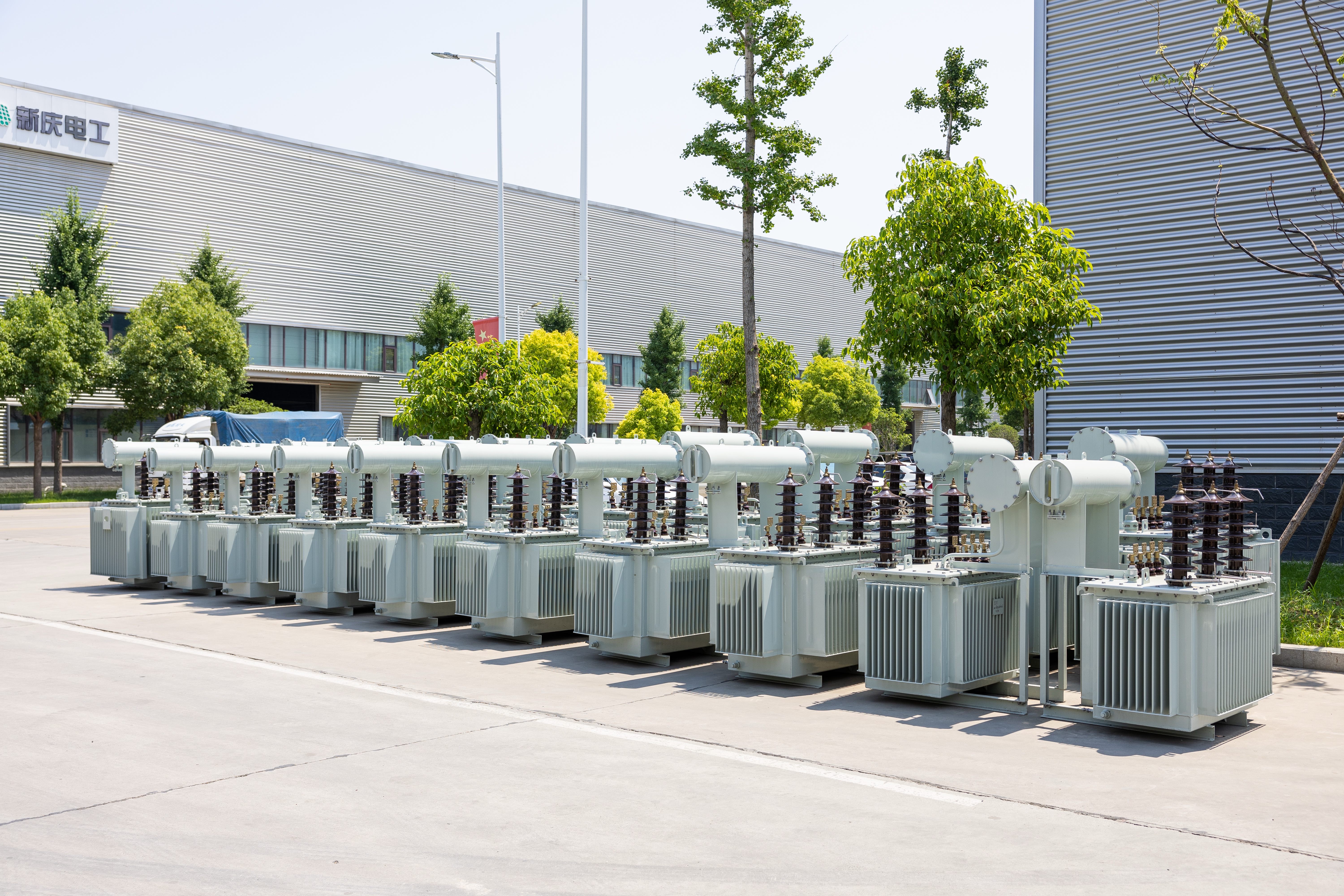
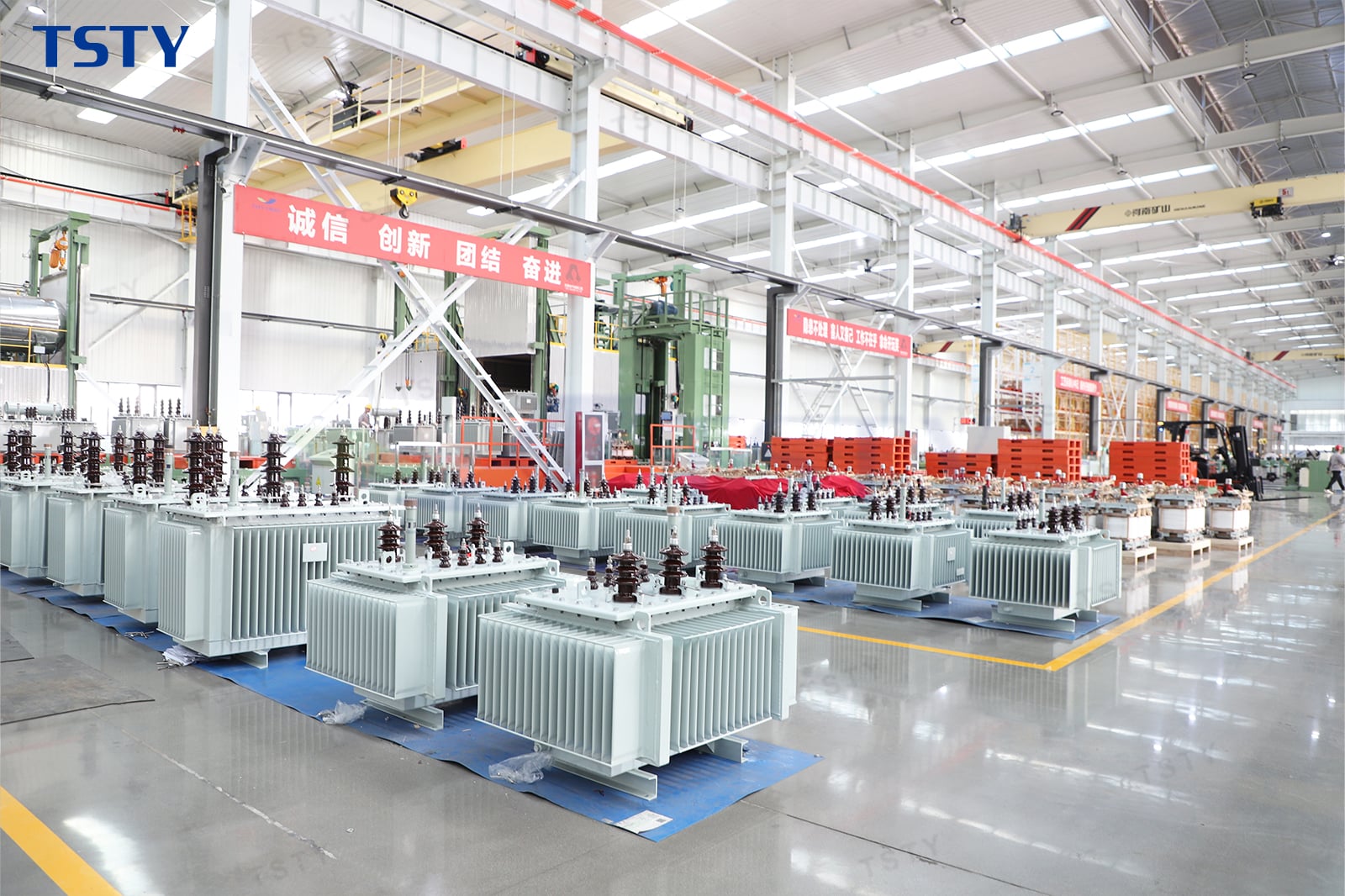
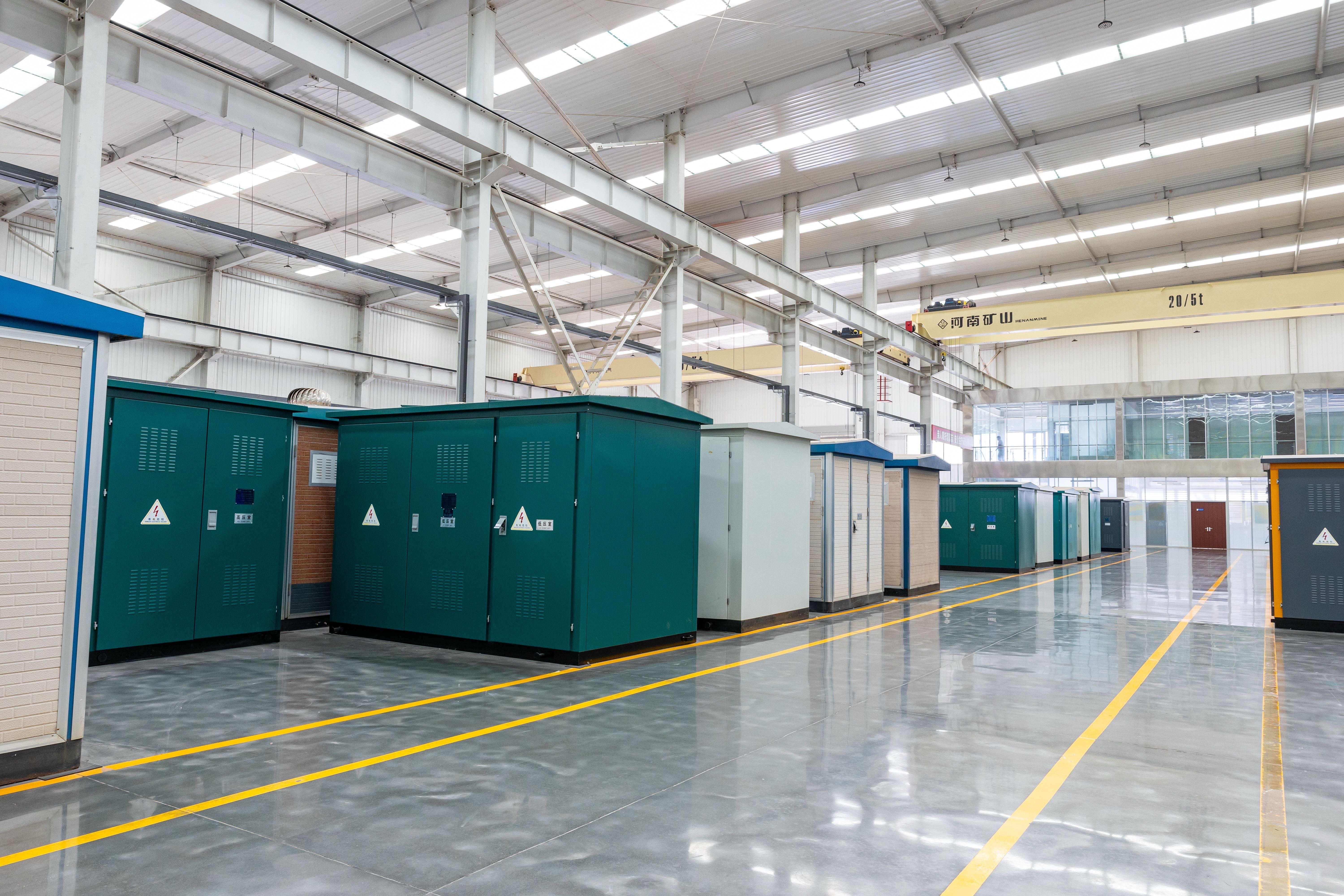
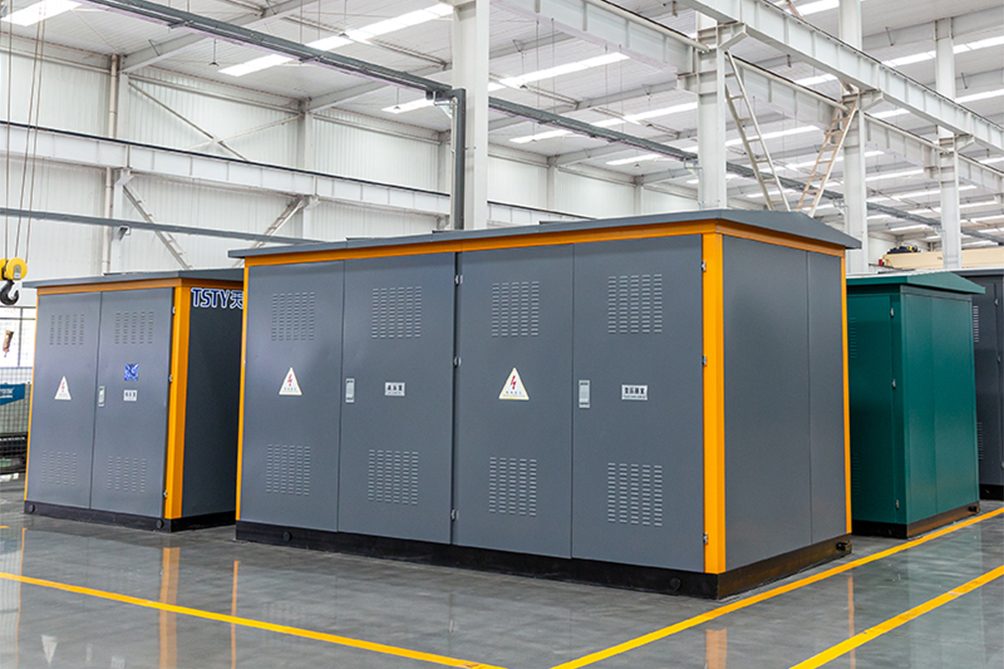
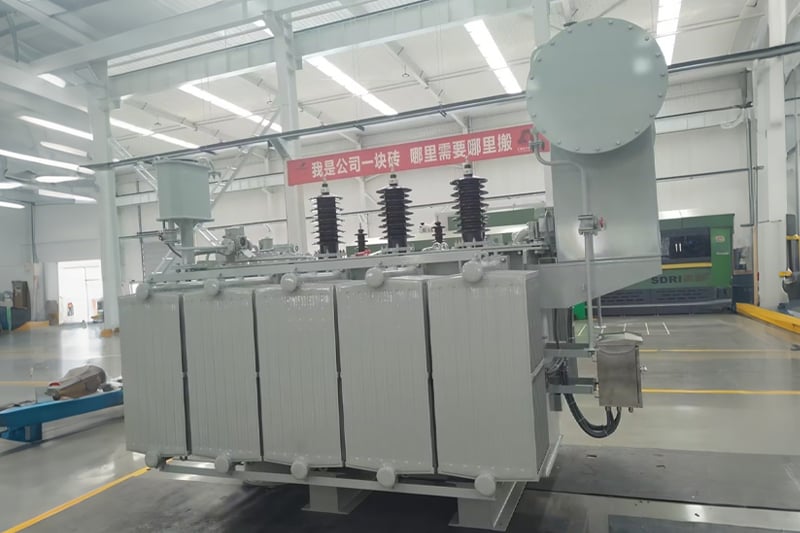
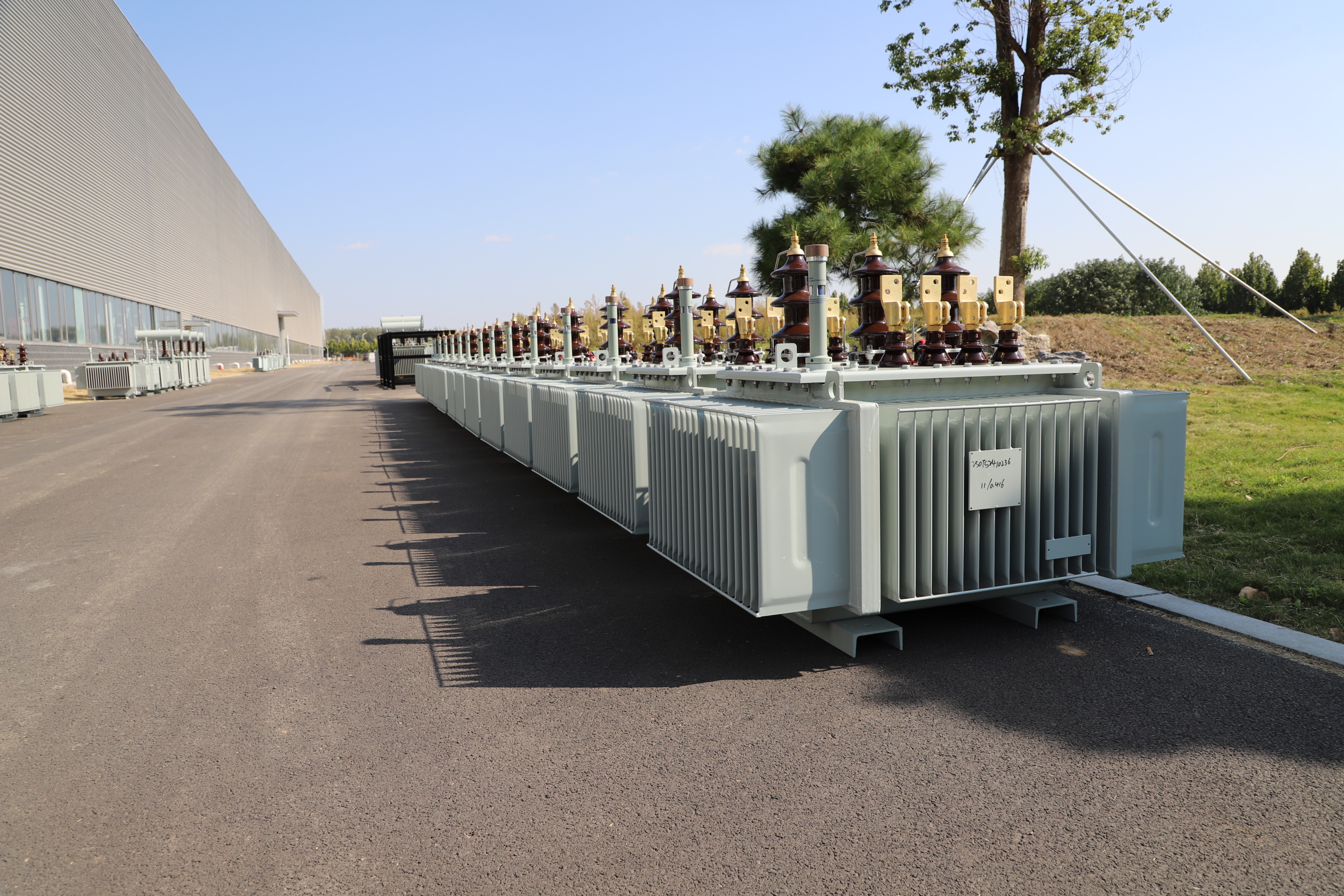
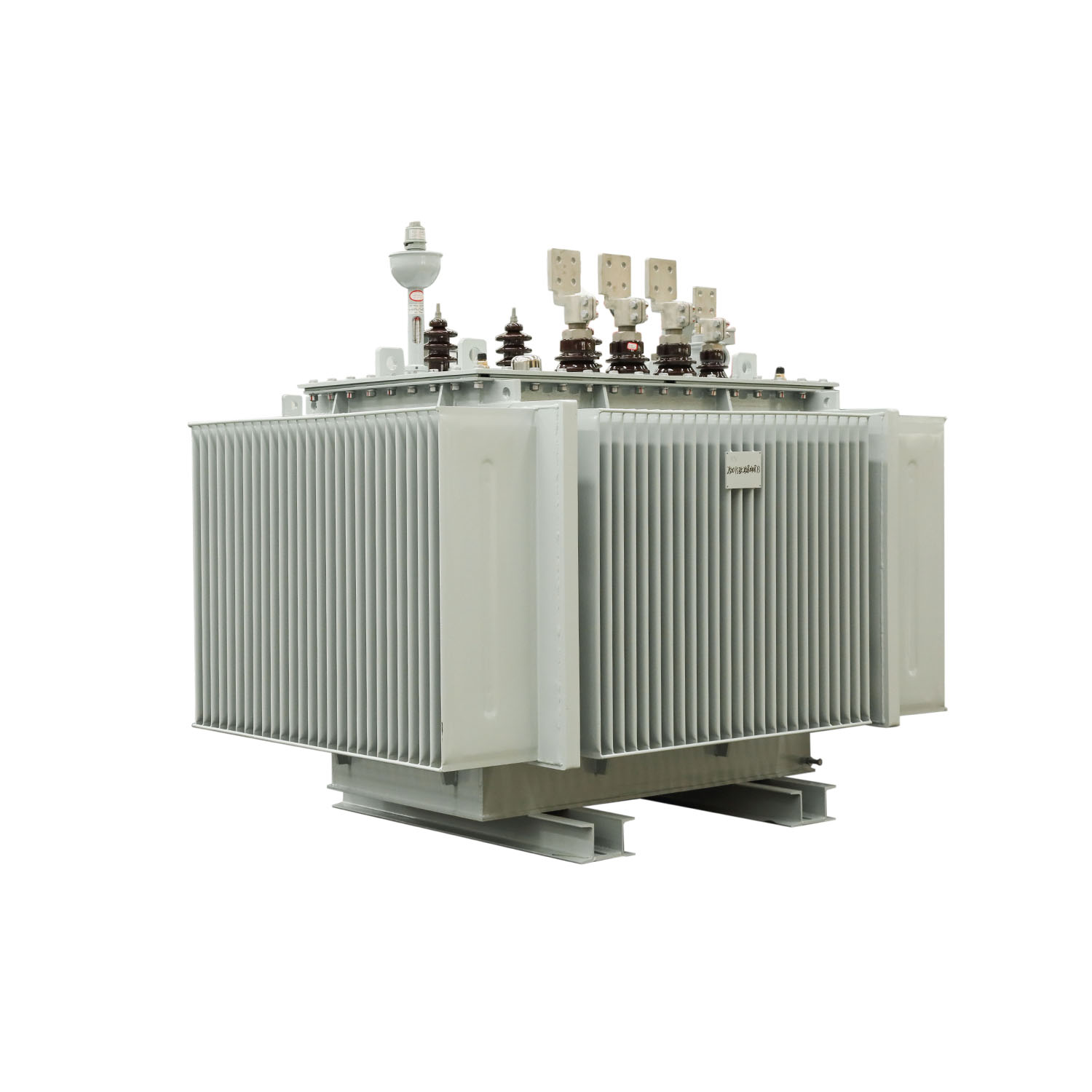
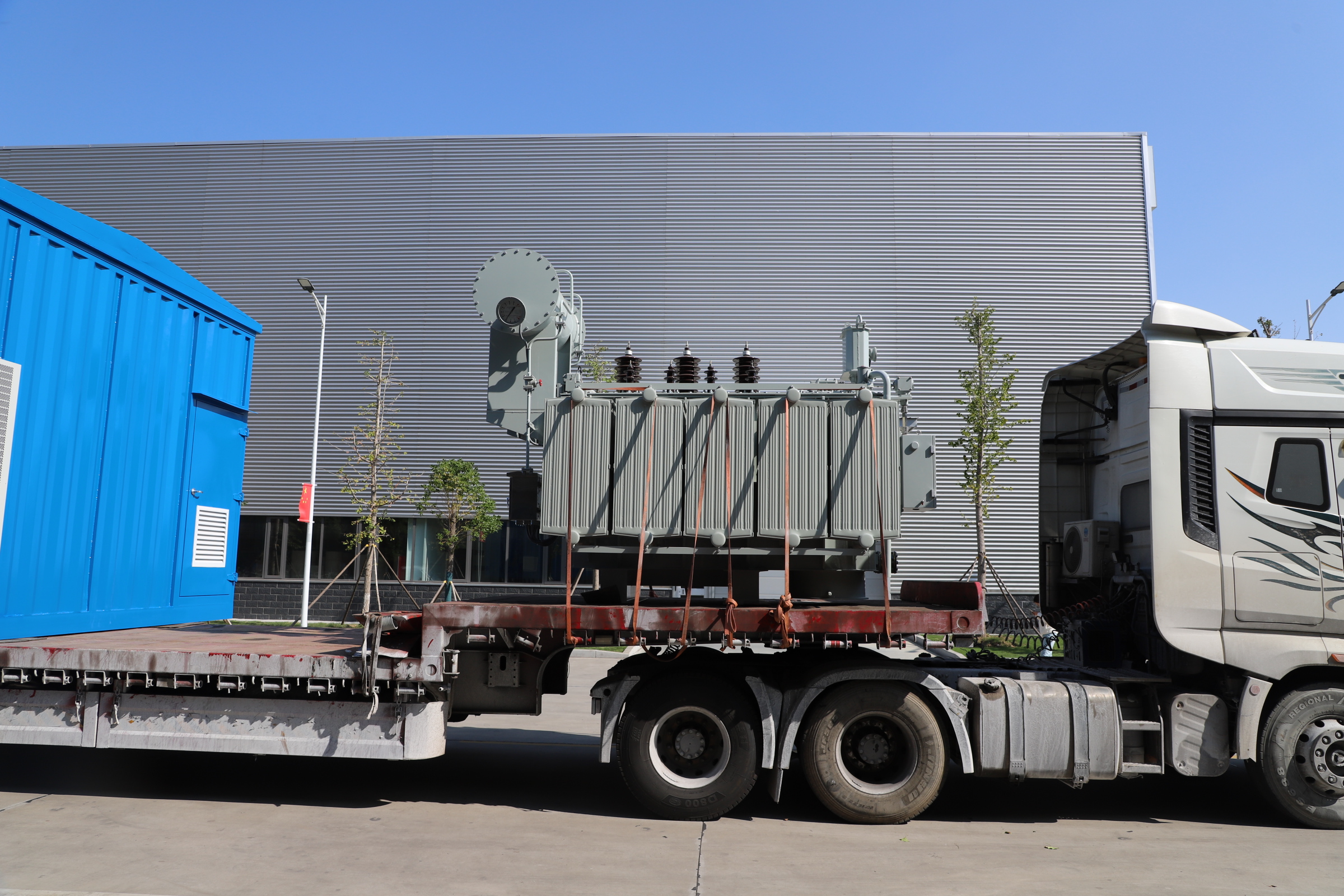
A power plant transformer is the backbone of any electricity generation facility, ensuring that power is efficiently exported to the grid and safely distributed to internal machinery. Unlike standard distribution networks, a power generating station operates with distinct electrical zones. Therefore, the term power plant transformer covers several specific equipment types, primarily the generator step-up transformer, the unit auxiliary transformer, and the station service transformer.
The generator step-up transformer is the largest power plant transformer on site. It connects directly to the generator terminals, raising the generation voltage to the high voltage required for the transmission network. This unit must handle massive continuous loads and endure the thermal stresses of base-load generation. Because of its critical role, it is usually installed outdoors in the switchyard and equipped with advanced cooling systems, such as ONAF or ODAF, along with comprehensive oil and gas monitoring devices.
Conversely, a generation facility needs significant power to run its own equipment. This is where the unit auxiliary power plant transformer comes in. Connected to the generator output, it steps the voltage down to supply large internal motors, such as boiler feed pumps, induced draft fans, and cooling water circulation systems. Because these loads involve frequent starts and large inrush currents, the auxiliary power plant transformer is designed with high short-circuit withstand capabilities and specific impedance values to limit voltage dips.
Station service transformers are another type of power plant transformer used to power general facility infrastructure, including lighting, HVAC, control rooms, and battery chargers. These are often dry-type transformers located indoors near the load centers, selected for their fire-resistant properties and low maintenance requirements.
Procuring a power plant transformer requires careful coordination between the turbine manufacturer, electrical designer, and civil engineer. Buyers must specify rated capacity, voltage vector groups, tap changer types, and impedance. Physical interfaces, such as isolated phase busduct (IPB) connections on the primary side, must be detailed in the outline drawings. TSTY supports project owners by providing clear engineering data, ensuring the equipment fits the station layout and operates reliably under strict generation duties.